
Storms & Weather
Winter Storm Roof Damage in Frisco, TX: Six Myths About Ice, Gutters and Attics
North Texas freezes are rare, but the February 2021 storm kept DFW below freezing for days. Here is what ice actually does to a Frisco roof, what it does not, and where the water really comes from.
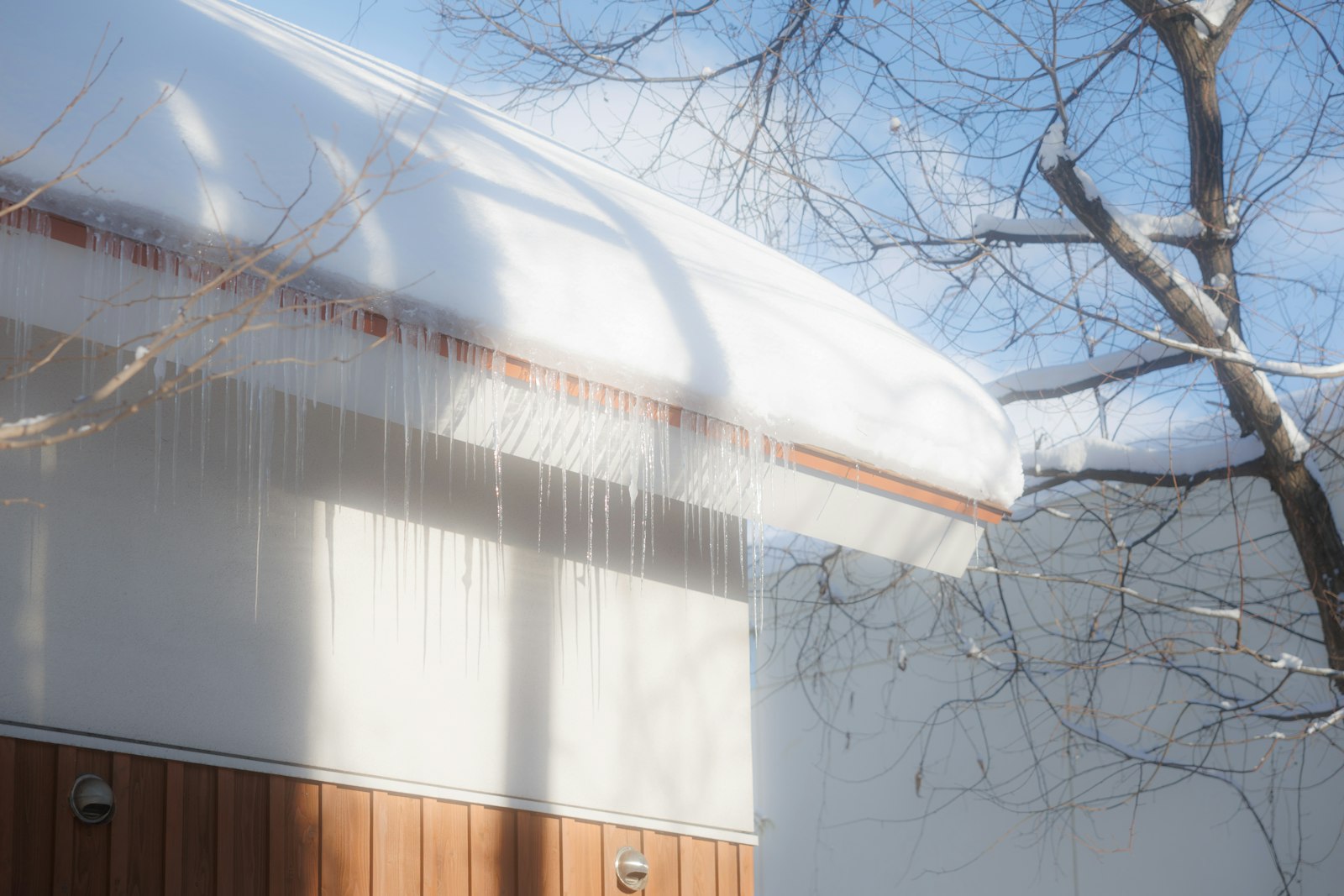
DFW Airport bottomed out at -2 degrees on February 16, 2021, and the National Weather Service in Fort Worth logged 139 straight hours at or below freezing that week, on top of an earlier 93-hour stretch. For Frisco roofs, that was a long, unusual test.
Most of what homeowners believe about winter storm roof damage in North Texas comes from the idea that our freezes are brief and mild. Some of those beliefs held up in 2021. Several did not, and they are worth clearing up before the next arctic front comes down the Dallas North Tollway.
Myth: North Texas freezes are too short to hurt a roof
A North Texas freeze can damage a roof when it lasts long enough for ice to build, sit and melt unevenly, and February 2021 showed that it can. The NWS Fort Worth summary describes freezing drizzle on February 11 and 12 that left a thin, nearly invisible glaze, followed by a storm from February 14 to 17 that brought snow, sleet and freezing rain. DFW's official snowfall for the event was 5.0 inches.
The length matters more than the low. A single cold night freezes the surface and then lets go by afternoon. Days below freezing let snow sit on the roof while the attic underneath stays warmer, which is the setup for meltwater that refreezes at the edges. In 2021, DFW's high on February 15 was colder than the record low for that date.
Frisco sits across the Collin and Denton county line, and both sides went through the same multi-day stretch. If your roof was on the house in 2021, it has already been through one real test, and anything it did then is useful information now.
Myth: Ice dams only happen up north
An ice dam is a ridge of ice at the eave that forms when heat escaping into the attic melts snow higher on the roof and that water refreezes at the colder overhang. North Dakota State University Extension puts it plainly: as meltwater reaches cooler parts of the roof near the eaves, it freezes, and the ridge then holds back more water behind it.
Nothing in that mechanism requires a northern zip code. It requires snow on the roof, heat leaking into the attic and enough hours below freezing, and North Texas had all three that week.
The water trapped behind the dam is what does the harm. Shingles shed water running downhill; they are not built to hold back standing water, which can work under the courses and onto the decking. NDSU lists ceiling stains, structural damage and mold among the results.
There is also a code gap worth knowing about. The International Residential Code calls for a self-adhering ice barrier at the eaves only where the local jurisdiction has a history of ice damming, so many roofs in warm-climate cities are built without that membrane. That is not a defect, but it means an occasional ice dam meets less protection under the shingles than it would in Minneapolis.
Myth: Ice in the gutters is only a gutter problem
Ice packed into a gutter is a roof-edge problem, because the gutter hangs from the fascia directly below the first course of shingles. When the trough fills and freezes, the next round of meltwater has nowhere to drain and can back up over the gutter's back edge, behind it, or under the starter shingles.
Weight is the second issue. A run full of ice plus whatever icicles grow off its lip loads the hangers and the fascia board they are screwed into. A gutter that pulls away from the house after a freeze often points to fascia that was already soft, and the fix starts with the wood rather than a new section of gutter.
Frozen downspouts compound it. If the outlet ices shut, the whole run turns into a channel of standing ice until the thaw. After a hard freeze, walk the perimeter and look for sagging runs, gaps between gutter and fascia, and staining on the soffit below. The gutters and downspouts page explains how hanger spacing, pitch and fascia condition are checked before anything new is hung.
Stain on the ceiling after the freeze?
Tell us where the water showed up and when. Whether it points to an ice dam, attic condensation or a split line, the free assessment ends with written findings.
Myth: Chipping the ice off protects the shingles
Chipping, prying or hammering ice off a roof usually does more harm than the ice. Asphalt shingles are stiffer and easier to crack in the cold, and a tool aimed at ice bonded to them tends to break the shingle before it breaks the ice. Paul Fisette of the UMass Amherst Building and Construction Technology program wrote that when people go after ice with chain saws, hammers and similar tools, more damage is done to life, limb and roof in the process.
Getting on a frozen roof is the bigger risk. NDSU advises staying off it and using a roof rake from the ground to pull snow off the lower few feet of a slope, and it warns users to watch for overhead power lines while doing it. In a city where heavy snow is rare, the rake itself matters less than the first half of that advice: stay on the ground.
Heat cables are the other popular fix. Fisette's view is skeptical: he notes they use energy, can make shingles brittle, pose a fire risk and can simply move the ice dam above the cable. If ice is already causing a leak, the practical move is to protect the interior, catch the water and have the roof looked at once it is safe to walk.
Myth: A drip from the ceiling during a freeze means the roof is leaking
A ceiling drip during a cold snap is not always a roof leak; condensation in the attic can produce the same stain. The Building America Solution Center, run for the U.S. Department of Energy by Pacific Northwest National Laboratory, explains that the roof deck in a ventilated attic gets cold in winter, often below the dewpoint, and warm, moist air escaping from the house condenses on it.
In a long freeze, that moisture can collect on the underside of the decking and around nails as frost. When the weather turns, it melts at once, and water drips onto insulation and ceilings even though the shingles never let anything in. The pattern is the clue: drips scattered across a wide area of ceiling, or showing up on a sunny thaw day with no rain, point toward the attic air rather than a hole in the roof.
Two other sources deserve a look before anyone blames the shingles. Supply lines, water heaters and HVAC condensate lines in the attic can all freeze and split, and a slow drip from one can look like a roof leak from below. The fix for condensation is mostly inside the house: the solution center stresses sealing the air barrier between the living space and the attic and keeping roof vents and insulation baffles clear so the space can dry.
Myth: If nothing leaked by spring, the freeze left no damage
A roof can come through a freeze with no visible leak and still have damage that shows up months later. UMass notes that water-soaked insulation stays compressed after it dries and loses part of its insulating value, and that paint can peel well after the ice and the leaks are gone. The solution center warns that repeated or long periods of condensation can rot framing and sheathing over time.
On the roof itself, the evidence is quieter. Look for shingles along the eaves that are lifted or creased, granule loss concentrated in the bottom few feet, drip edge or flashing that has pulled loose, and staining on the soffit. Inside the attic, look for rust spots on nail tips, darkened decking near the eaves and insulation that is matted down in patches.
Photos taken during the ice, such as icicles, sagging gutters or ceiling stains, are worth keeping alongside any written findings, because they show what the roof went through even after the ice is gone. A roof inspection that includes the attic separates freeze damage from older wear, which matters if you are deciding what to fix now and what can wait.
What to Check the Morning the Ice Lets Go
The thaw is the moment that tells you the most, so plan for it before the next storm arrives. While the freeze lasts, stay off the roof, keep attic access clear and know where the main water shutoff is. As temperatures climb, check ceilings under the eaves and around bathrooms, then look into the attic for wet decking, frost residue or a dripping line. Outside, walk the gutters for sag and separation from the fascia. Whatever you find, photograph it before anything dries.
If water came in, Frisco Texas Roofing Pros can trace it through roof leak repair, and the storm damage repair page covers how a roof gets tarped and documented before repair decisions are made. For a roof that simply went through the storm, an inspection after the thaw is the sensible first step.
Sources
- National Weather Service Fort Worth: February 2021 winter event summary
- North Dakota State University Extension: Reduce ice dam and icicle damage
- Building America Solution Center (U.S. DOE / PNNL): Condensation control in attics and roofs in cold weather
- UMass Amherst Building and Construction Technology: Preventing ice dams
Find out what the last freeze left behind
A free assessment in Frisco or the nearby Collin and Denton county towns covers the roof edge, the gutters and the attic, and you keep the written findings either way.